




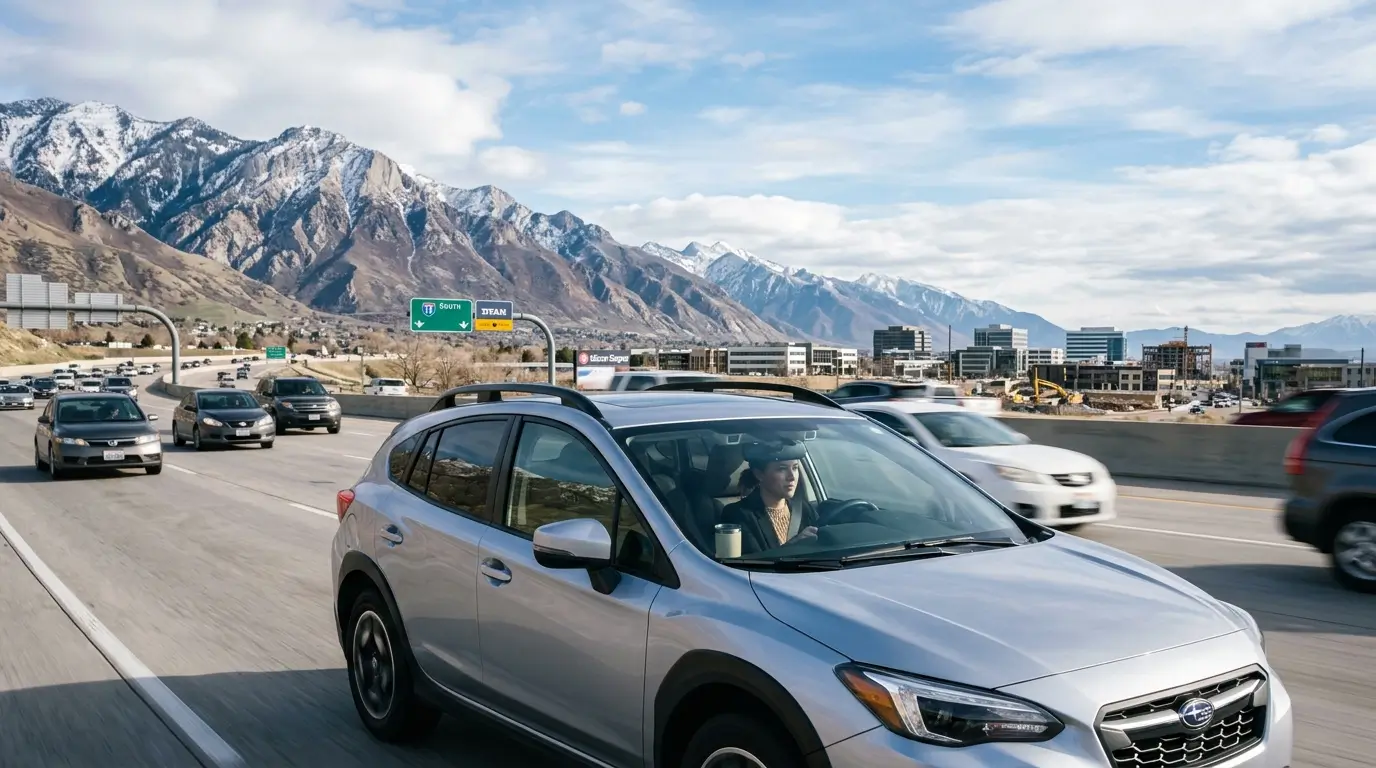
Ask someone renting in Salt Lake City where they work, and there's a decent chance the answer is Lehi, Draper, or Provo rather than downtown SLC itself. Utah's tech corridor, known informally as Silicon Slopes, runs along the Wasatch Front well south of the city, and that geographic mismatch between where people live and where they work has real implications for how landlords think about rental demand here.
Key Takeaways
Silicon Slopes is the informal name for Utah's tech corridor, running roughly along the I-15 Wasatch Front from the Salt Lake City area south through Draper, Lehi, and into Provo.
Major named employers are spread across this entire corridor rather than concentrated in one city: Adobe maintains a large campus in Lehi, Domo is headquartered in American Fork, Pluralsight in Draper, and Qualtrics across both Provo and Salt Lake City.
Salt Lake City itself is home to its own tech employers, including Instructure, alongside regional offices some national companies maintain downtown.
Because commuting distances along this corridor are manageable, tech workers often choose where to live based on housing preferences rather than which specific city their employer sits in.
This creates a renter base in Salt Lake City that includes tech professionals commuting south, not just people working within city limits.
What Silicon Slopes Actually Is
Silicon Slopes describes itself as a nonprofit organization built to support Utah's tech and startup community, and the term has also come to informally describe the broader tech corridor itself. Geographically, that corridor runs along the Wasatch Front, roughly following I-15 from the Salt Lake City area south through Draper and Lehi and into Provo, with a longer history that traces back to early Utah tech companies and the University of Utah's computer science program. It's not one city with a concentrated tech district. It's a string of cities each hosting a piece of the same regional industry.
Why the Jobs and the Renters Don't Always Live in the Same City
Some of the corridor's most recognizable employers sit well outside Salt Lake City proper. Adobe maintains a major campus in Lehi. Domo is headquartered in American Fork. Pluralsight is based in Draper. Qualtrics maintains a presence in both Provo and Salt Lake City. None of this means Salt Lake City itself lacks a tech identity. Instructure, the company behind the Canvas learning platform, is headquartered in Salt Lake City, and the city hosts a meaningful share of the region's startup and coworking activity in its own right.
But a lot of the corridor's largest named employers sit south of the city, which means plenty of people who work in Lehi, Draper, or American Fork choose to live in Salt Lake City anyway, drawn by its downtown amenities, established neighborhoods, and everything else that makes it a desirable place to live independent of where the office happens to be.
What This Means for Salt Lake City Landlords
For owners, this geography translates into a renter base that isn't limited to people working within city limits. A tenant commuting to Lehi or Draper is still evaluating Salt Lake City rentals against the same criteria as anyone else, proximity to I-15, commute time, neighborhood character, but their employer's address doesn't tell the whole story about why they're looking in Salt Lake City specifically.
Understanding that a meaningful share of prospective tenants are corridor commuters, not just people working downtown, is worth factoring into how a property gets marketed and priced. If you're weighing whether a specific Salt Lake City property would appeal more to downtown-based renters or corridor commuters, our real estate team can walk through what's actually driving demand in that particular neighborhood.
Positioning a Property for This Commuter Renter Base
Highlighting I-15 access and realistic commute times to Draper, Lehi, or Provo in a listing can matter just as much as highlighting proximity to downtown Salt Lake City amenities, depending on the property's specific location. A unit near a freeway on-ramp or a UTA FrontRunner station has a genuine selling point for a tech worker commuting south every day, and that's worth calling out explicitly rather than assuming every renter is only evaluating the property against downtown-centric criteria. Our owner resources page covers more on how we tailor listing positioning to the specific renter profile a property is most likely to attract.
What This Doesn't Mean
None of this suggests Salt Lake City itself is secondary to the corridor's growth. The city has its own resident tech employers, its own startup scene, and a talent pipeline from the University of Utah that predates the Silicon Slopes name by decades. The point isn't that jobs are elsewhere and Salt Lake City is just a bedroom community for them. It's that the corridor's geography is spread out enough that a landlord evaluating rental demand in Salt Lake City should account for renters commuting in both directions, not assume every tenant works within the city itself.
FAQ
Is Silicon Slopes located in Salt Lake City?
Not exclusively. It's a corridor running along the Wasatch Front from around Salt Lake City south through Draper, Lehi, and into Provo, with major employers spread across several cities rather than concentrated in one.
Does Salt Lake City have its own tech employers, or is it just a place people commute from?
Salt Lake City has its own resident tech companies, including Instructure, and hosts a meaningful share of the region's startup activity independently of the corridor cities to the south.
Why would a tech worker choose to live in Salt Lake City instead of closer to their office in Lehi or Draper?
Manageable commute distances along I-15 mean many tech workers prioritize Salt Lake City's downtown amenities, established neighborhoods, and overall livability over living immediately adjacent to their employer.
How should this affect how I market a Salt Lake City rental?
Highlighting realistic commute access to the broader corridor, not just downtown proximity, can be a genuine selling point depending on the property's specific location relative to I-15 or transit access.
Understanding Who's Actually Renting in This Market
Salt Lake City's rental demand is shaped by a tech corridor that extends well beyond the city's own borders, which means the renter base here is broader than a landlord might assume by looking at downtown employment alone.
Curious how a specific property's location plays into this broader commuter pattern? Reach out to our property management team, and we'll walk through what's actually drawing interest in your neighborhood before you set your next rent price.